Do Compression Leggings Really Help Recovery? Science-Backed Benefits
29.09.2025
Science
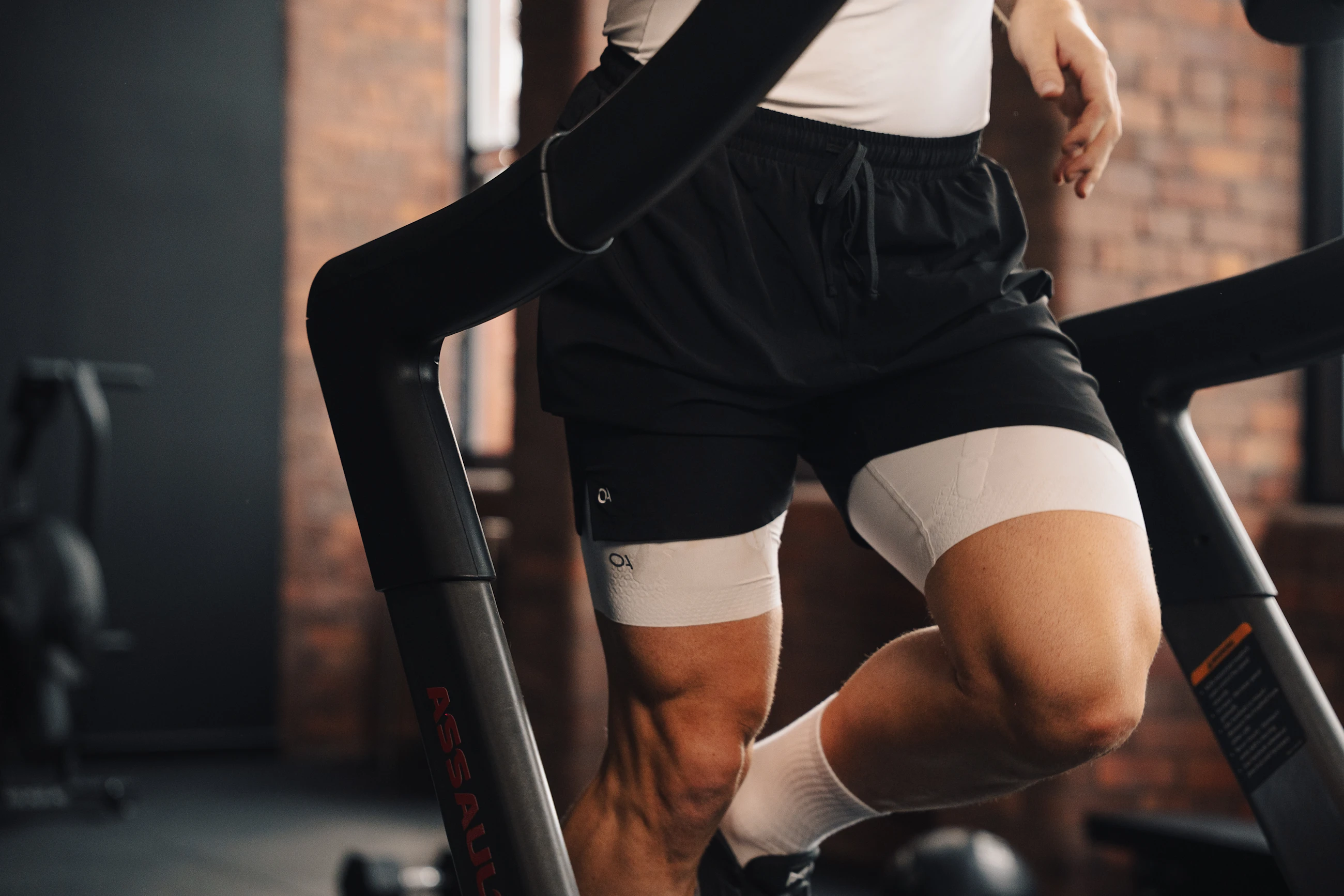
Do Compression Leggings Really Help Recovery? Science-Backed Benefits
The Rise of Compression Leggings in Sports and Fitness
In recent years, compression leggings have become a staple in gyms, running tracks, and even recovery clinics. From professional athletes to weekend joggers, more and more people are swearing by their benefits. But the million-dollar question remains: Do compression leggings really help recovery, or are they just another fitness trend backed by clever marketing?
Science does provide some compelling answers. Studies suggest that compression garments may aid recovery by improving blood circulation, reducing muscle soreness, and enhancing overall performance. But not all claims hold up under scrutiny, and the effectiveness often depends on how, and by whom, they are used.
In this article, we’ll break down the science-backed benefits of compression leggings, explore who can benefit the most, and uncover whether they’re truly worth the investment.
What Are Compression Leggings?
The Science Behind Compression Clothing
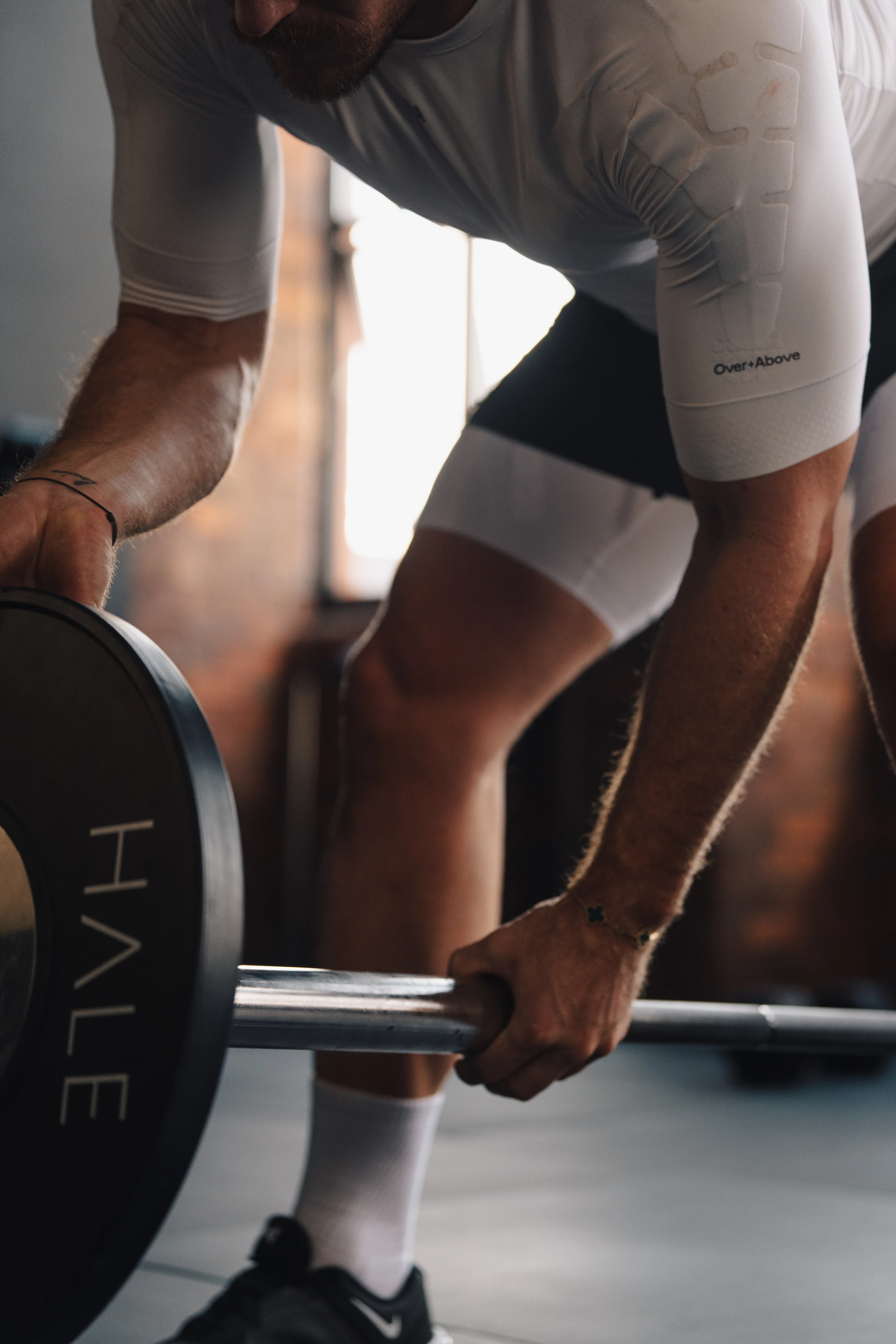
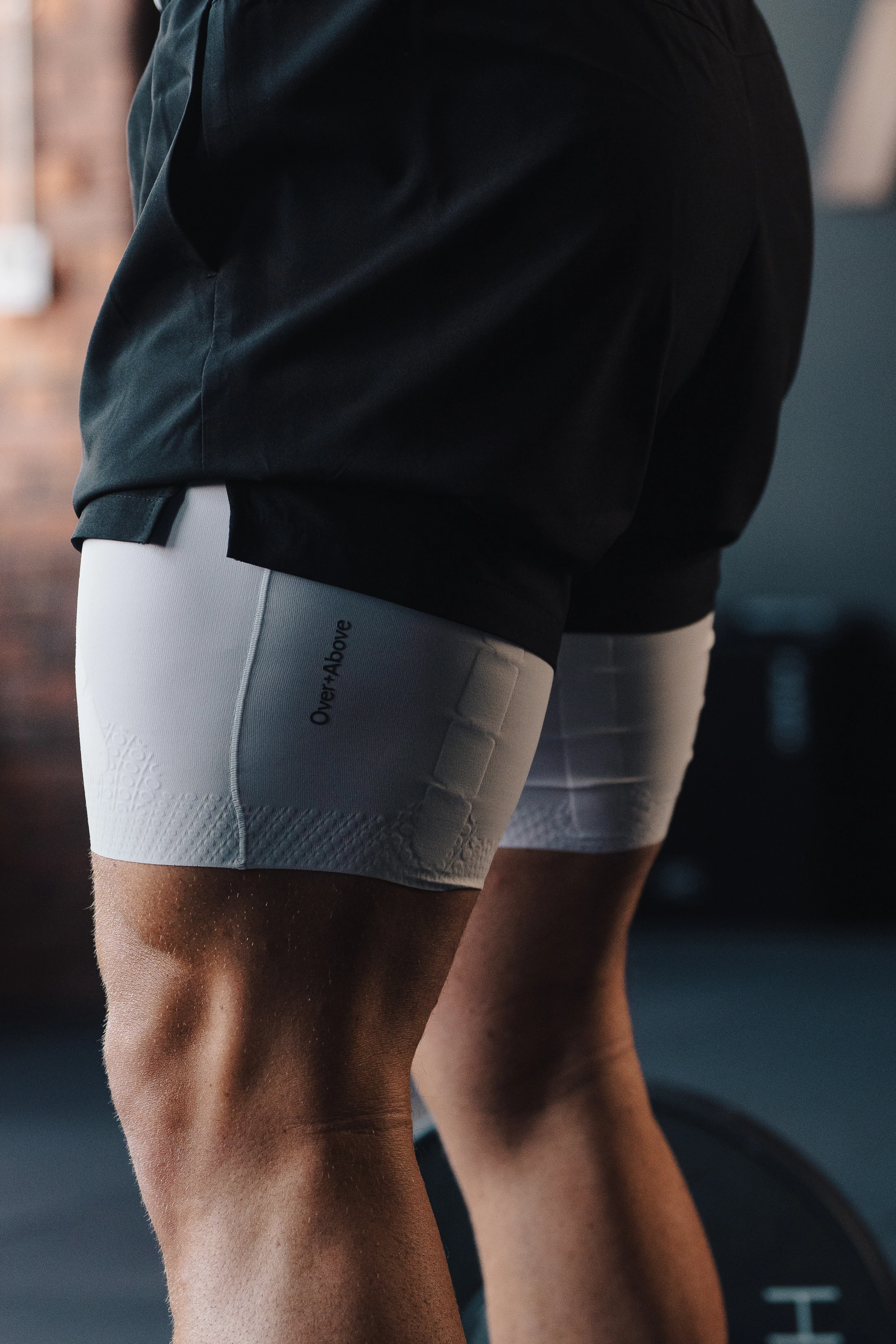
Compression leggings are specialized garments designed to apply consistent pressure to your muscles. This pressure helps improve circulation, stabilize joints, and potentially reduce muscle oscillation (tiny vibrations that occur during exercise).
Materials and Design Features
Most compression leggings are made from a blend of nylon, polyester, and elastane (spandex), offering durability, breathability, and stretch. Their snug fit is intentional, measured in millimeters of mercury (mmHg), the same unit used for medical compression wear.
How Compression Leggings Claim to Help Recovery
Improved Blood Circulation
The gentle pressure promotes venous return, helping blood flow back to the heart more efficiently. This is thought to deliver oxygen and nutrients faster while clearing metabolic waste products.
Reduced Muscle Soreness and Fatigue
Many athletes report less delayed-onset muscle soreness (DOMS) after workouts when wearing compression leggings. The idea is that reduced swelling and inflammation may speed up recovery.
Enhanced Lactic Acid Clearance
By supporting blood flow, compression leggings may help the body clear lactic acid, the compound responsible for muscle burning during intense exercise.
Joint Support and Stability
The firm grip around knees and hips offers added support, which can help stabilize joints during strenuous activity and reduce post-exercise discomfort.

Science-Backed Benefits of Compression Leggings
Evidence from Clinical Studies
Research findings are mixed. Some studies confirm measurable improvements in recovery markers, while others highlight only subjective benefits such as feeling less sore.
For instance, a 2017 study in the Journal of Sports Medicine found that compression wear reduced DOMS and improved recovery in endurance athletes. However, a 2020 meta-analysis noted that while compression helped slightly, the benefits weren’t dramatic compared to other recovery methods.
Short-Term vs. Long-Term Recovery Outcomes
Compression leggings may be more effective in short-term recovery, especially within the first 24–48 hours post-exercise, rather than in long-term muscle adaptation.
Psychological and Placebo Effects
Interestingly, many athletes feel more confident and supported when wearing compression leggings. Even if part of the benefit is placebo-driven, that psychological edge can still positively impact recovery and performance.
Who Can Benefit the Most from Compression Leggings?
Professional Athletes
Elite athletes often push their bodies to the limit, which makes recovery a top priority. For them, compression leggings recovery strategies are just one tool in a broader system that includes nutrition, sleep, and active recovery. Studies suggest that compression garments may help them bounce back faster after intense training or competition.
Weekend Warriors and Fitness Enthusiasts
For casual gym-goers and runners, compression leggings may not be a game-changer, but they can provide comfort and reduce post-workout soreness. Many fitness enthusiasts value them as part of gym recovery wear, offering both physical and psychological benefits.
People with Circulatory Issues
Interestingly, compression wear isn’t just for athletes. People who experience swelling, varicose veins, or circulation problems may find additional value in compression leggings since they promote blood flow and reduce swelling.
Potential Drawbacks and Misconceptions
Overhyped Marketing Claims
Not every claim about benefits of compression clothing is backed by science. While some improvements in soreness and circulation are real, exaggerated marketing often suggests performance boosts far beyond what research supports.
Risks of Overuse or Improper Fit
Wearing compression leggings that are too tight can cause discomfort, restrict movement, or even impair circulation instead of improving it. Finding the right compression level is key. Medical-grade compression isn’t necessary for most athletes.
Best Practices for Using Compression Leggings
When to Wear Them (Before, During, or After Exercise?)
Compression leggings can be worn:
Before exercise to prime circulation
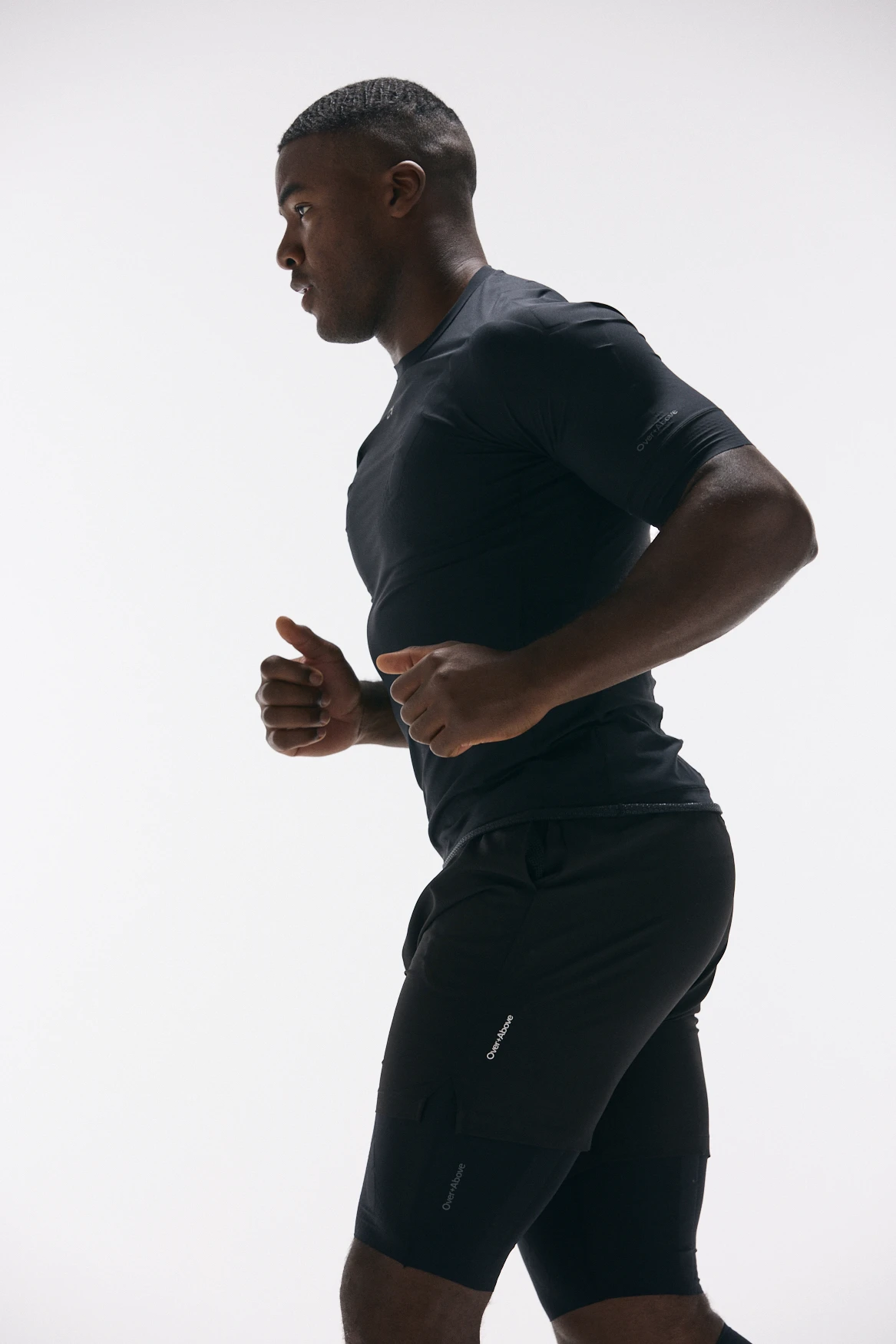
During workouts to stabilise muscles and joints
After training to support compression leggings recovery in the first 24–48 hours
Most experts recommend using them post-workout, when muscle repair and nutrient delivery are most important.
How to Choose the Right Compression Level
Look for leggings designed specifically as gym recovery wear, rather than purely aesthetic fashion tights. A moderate compression level (15–30 mmHg) is typically effective for athletes.
Care and Maintenance Tips
Wash leggings in cold water to maintain elasticity
Avoid fabric softeners, which can break down fibres
Replace them once they lose their tightness
Alternatives to Compression Leggings for Recovery
While compression is helpful, it’s not a magic bullet. Athletes should combine it with other recovery strategies:
Foam Rolling and Stretching
Helps improve mobility, reduce stiffness, and release tight muscles.
Cold Therapy and Ice Baths
Widely used to reduce inflammation and speed up recovery after strenuous exercise.
Proper Nutrition and Hydration
Muscles can’t recover properly without balanced nutrition, hydration, and sleep, which are the foundation of recovery.
Expert Opinions: What Sports Scientists Say
Most sports scientists agree that benefits of compression clothing are modest but meaningful. They may not dramatically improve performance, but they do play a role in gym recovery wear strategies, particularly for reducing soreness and perceived fatigue.
According to the American College of Sports Medicine (ACSM), athletes who wear compression garments often report enhanced comfort and faster recovery, even if measurable physiological benefits are small.
FAQs About Compression Leggings and Recovery
Do compression leggings actually speed up muscle recovery?
Yes, but modestly. They primarily reduce soreness and swelling, making you feel better post-workout, which may indirectly speed up recovery.
Should I wear compression leggings all day?
It’s safe for most people to wear them for several hours, especially after exercise. However, wearing them 24/7 isn’t necessary and could be uncomfortable.
Are compression leggings safe for everyone?
Most healthy adults can use them safely. People with medical conditions like circulatory disorders should consult a doctor before prolonged use.
Do they help with weight loss or just recovery?
Compression leggings don’t burn calories or promote fat loss. Their main role is recovery and muscle support, not weight reduction.
How tight should compression leggings be?
They should feel snug but not restrictive. If they cut off circulation, they’re too tight.
Can compression leggings replace warm-up or cool-down routines?
No. They should complement, not replace, traditional recovery practices like stretching, mobility work, and hydration.
Conclusion: Are Compression Leggings Worth It for Recovery?
So, do compression leggings really help recovery? The answer is yes. Research shows that while they may not transform your athletic performance, they do provide real benefits like improved circulation, reduced soreness, and enhanced comfort.
For athletes, fitness enthusiasts, and even those with circulation issues, they can be a valuable piece of gym recovery wear when used correctly. The benefits of compression clothing are especially noticeable in the short-term recovery phase, making them worth considering as part of a balanced recovery plan.
At the end of the day, compression leggings shouldn’t replace other proven recovery tools like proper sleep, nutrition, hydration, and mobility work, but they can be an effective supplement.
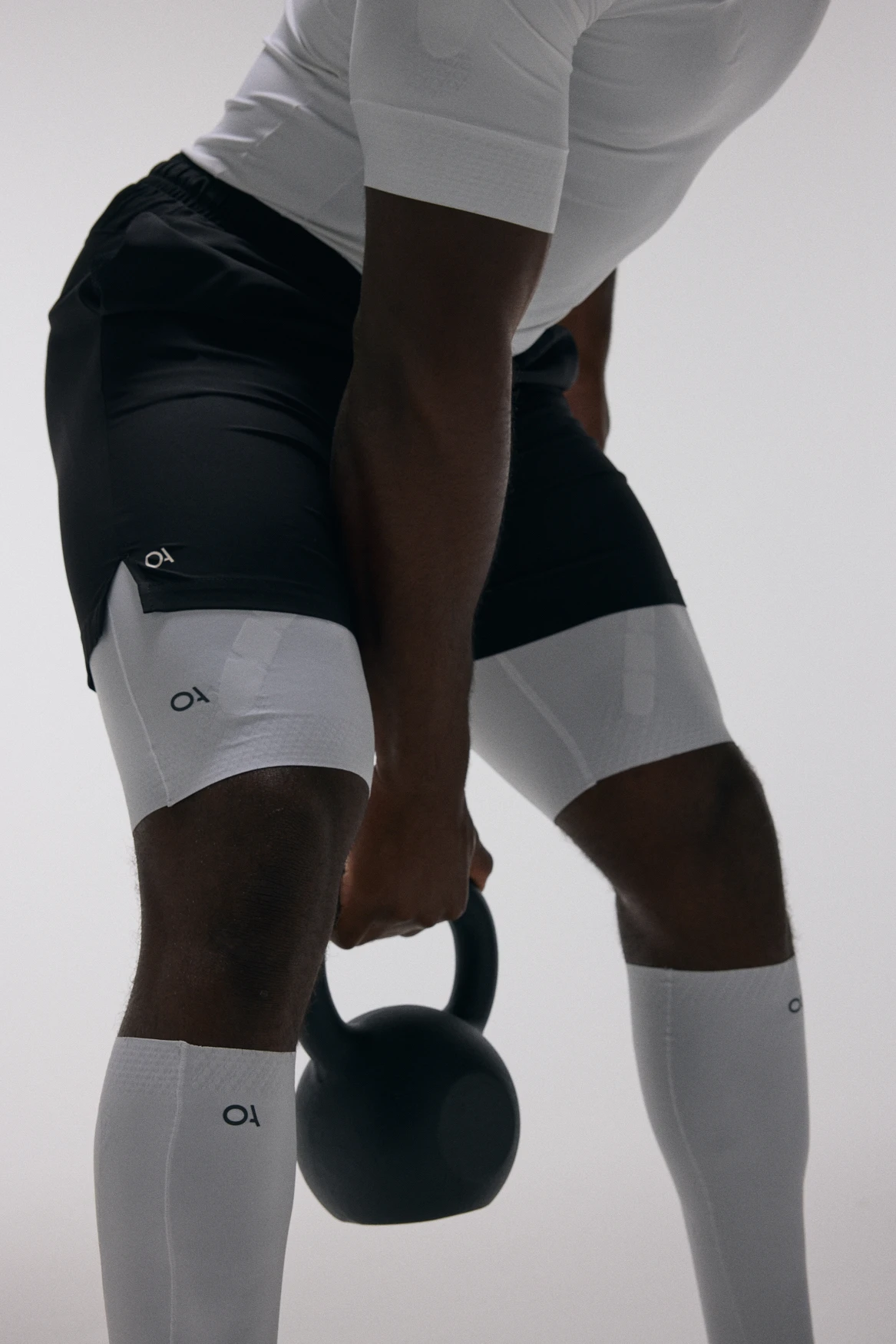

Shop Sleeves
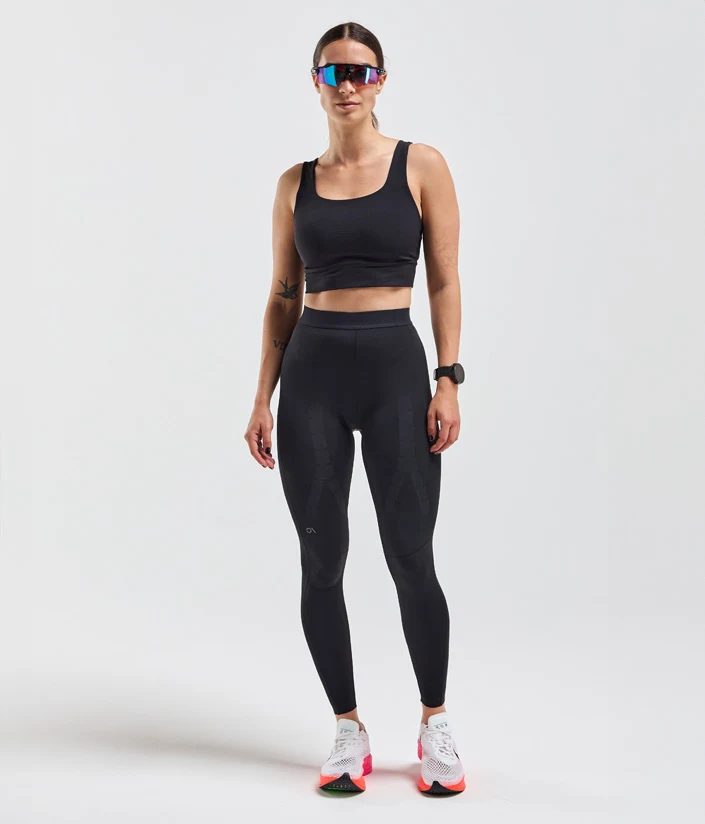
Womens
ProPrio Performance Full Tights - Mid Rise
More articles...
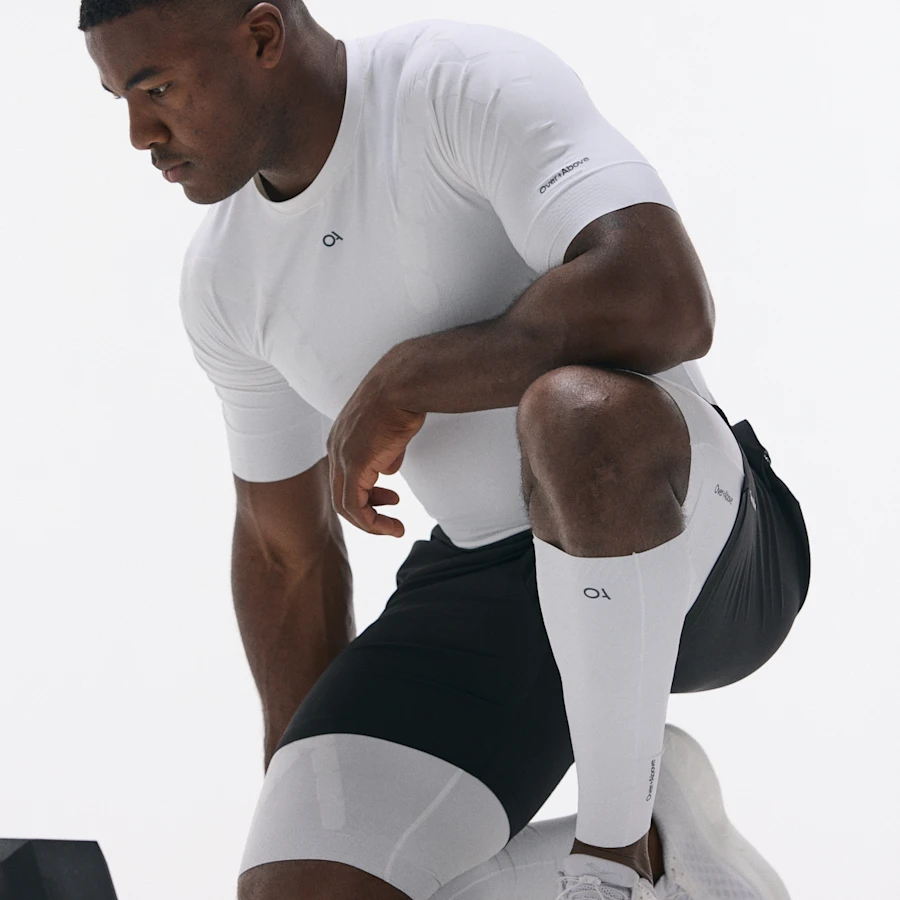 5 Signs You Need Compression Clothing in Your Gym RoutineScience
5 Signs You Need Compression Clothing in Your Gym Routine
19.12.2025
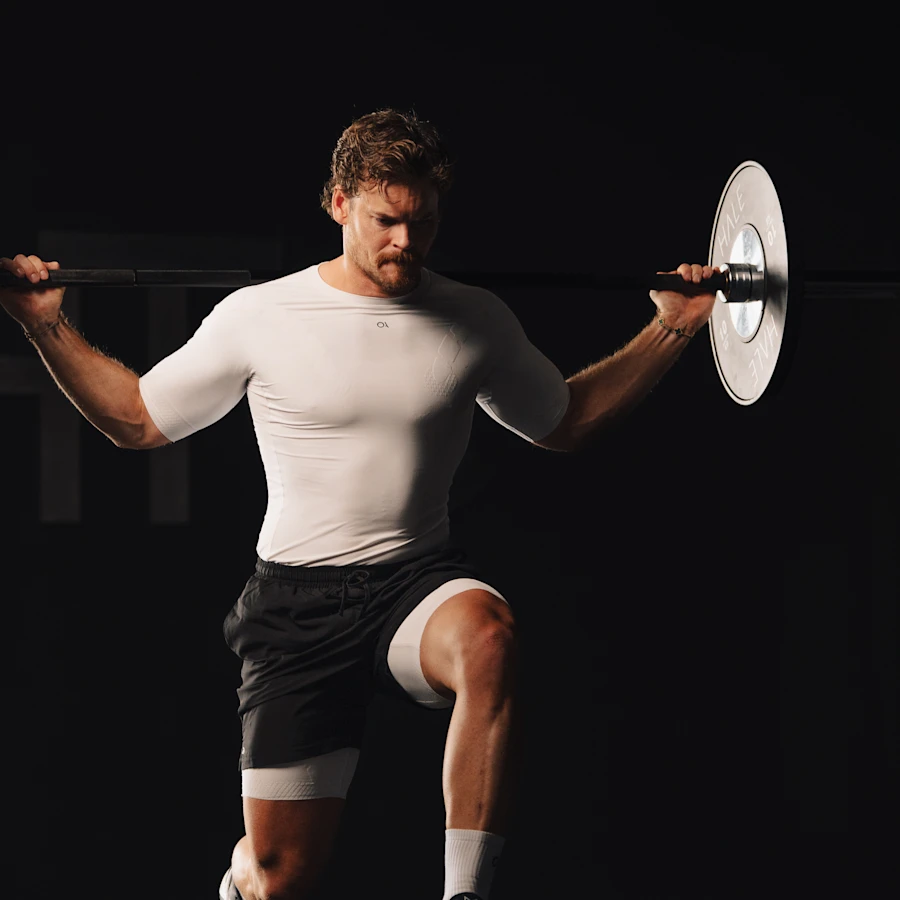 Compression vs. Regular Activewear: What’s Better for Recovery?Science
Compression vs. Regular Activewear: What’s Better for Recovery?
12.12.2025
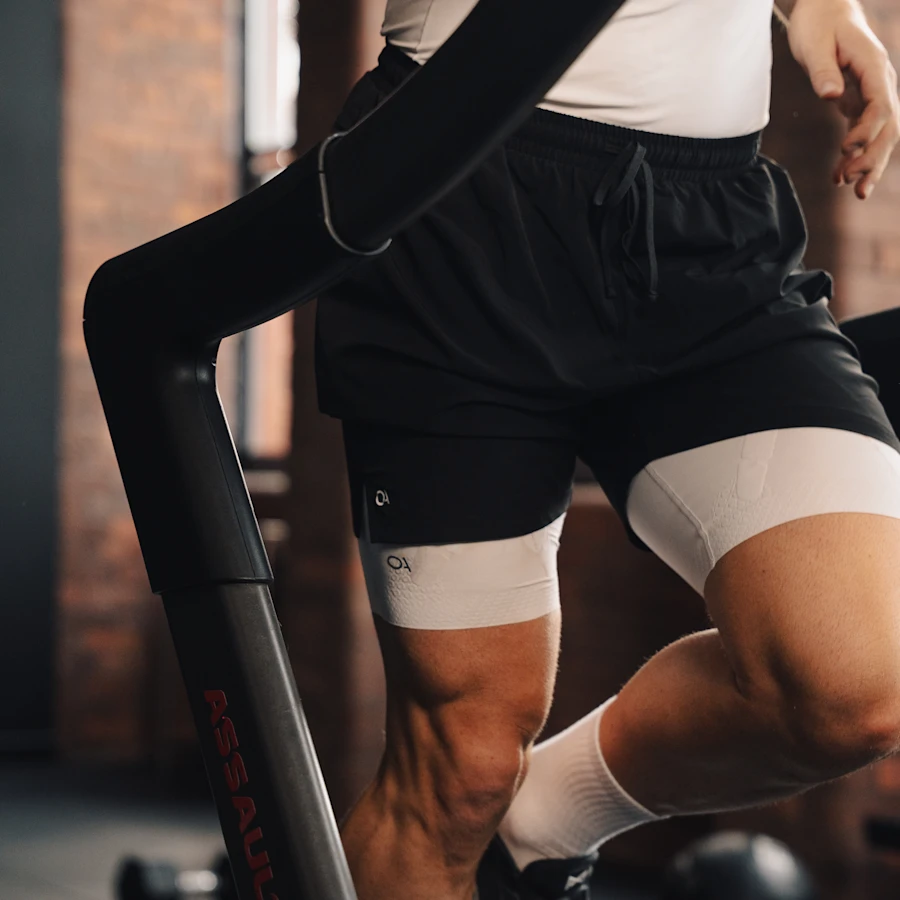 The Complete Guide to Compression Sportswear for Everyday TrainingScience
The Complete Guide to Compression Sportswear for Everyday Training
05.12.2025
