Compression vs. Regular Activewear: What’s Better for Recovery?
12.12.2025
Science
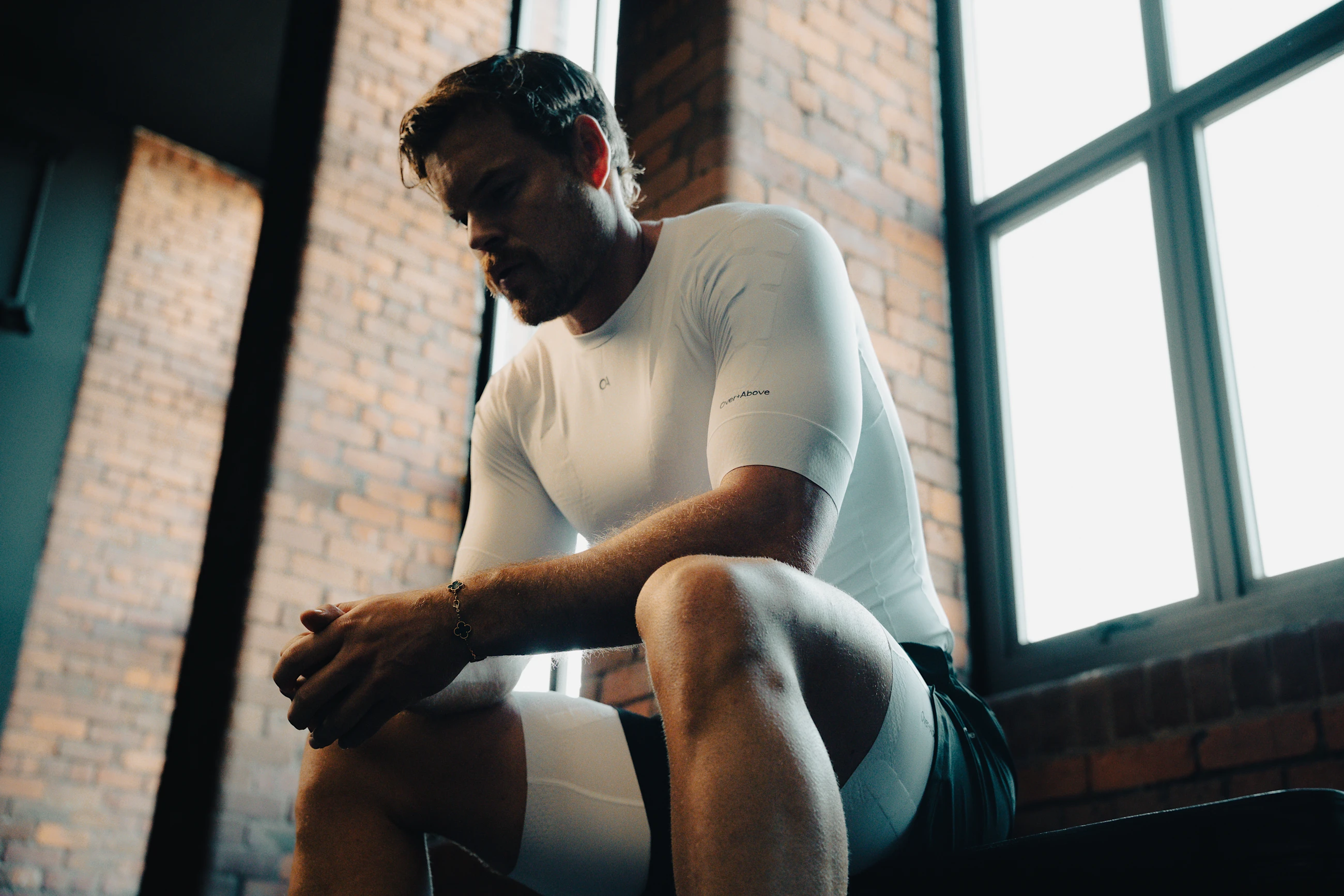
Recovery is no longer treated as downtime by serious athletes, it’s an active, strategic part of performance. Training stress is only productive if the body can adapt to it, and adaptation depends heavily on how well muscles recover between sessions. One of the most overlooked recovery tools is clothing, specifically the difference between compression wear vs activewear.
While both categories are staples in an athlete’s wardrobe, they serve very different purposes. Regular activewear prioritizes comfort and freedom of movement. Compression wear is engineered to influence how muscles behave after training. For performance athletes, that distinction matters.
This guide breaks down the science, use cases, and real-world implications of each option to determine which truly qualifies as the best recovery wear.
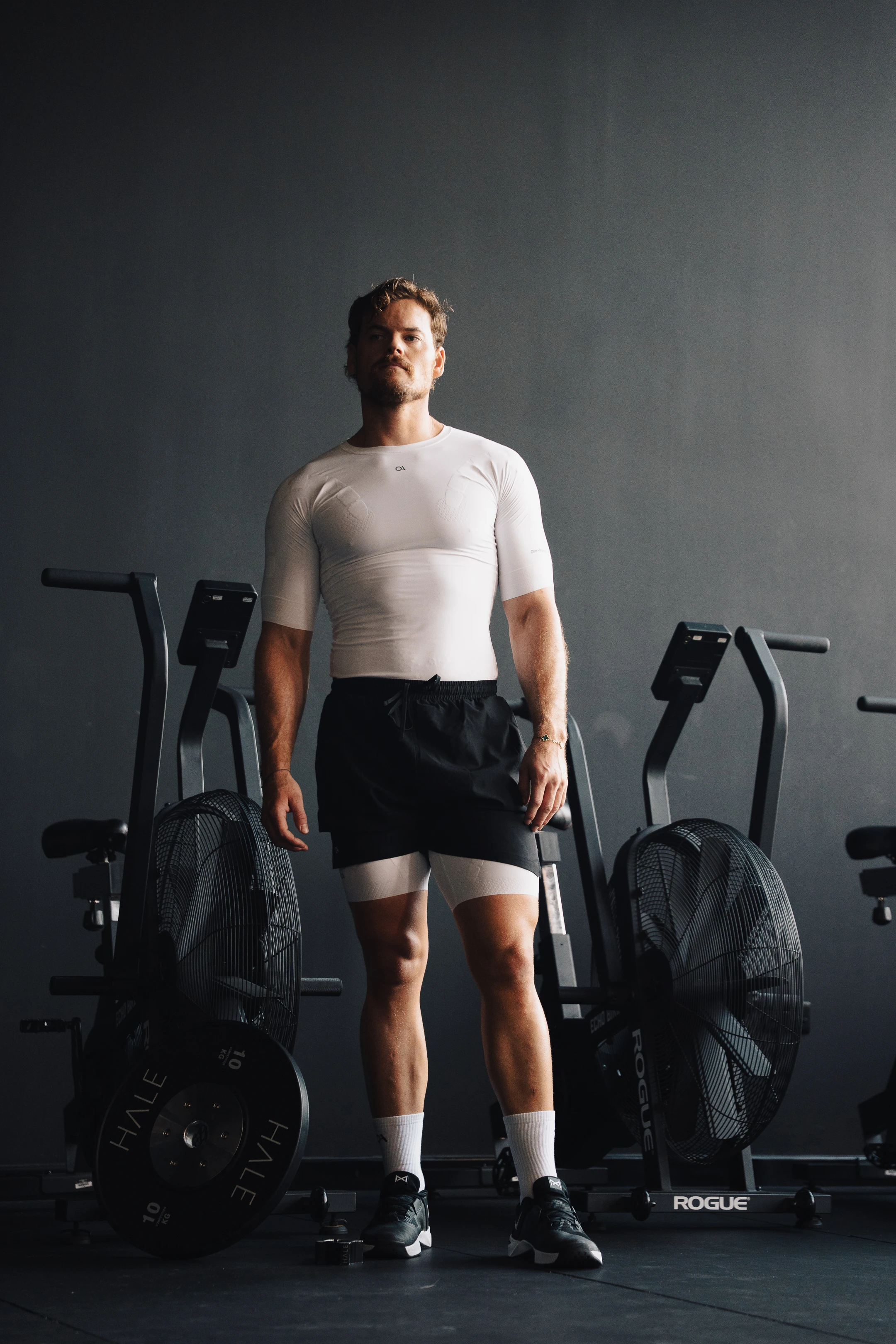
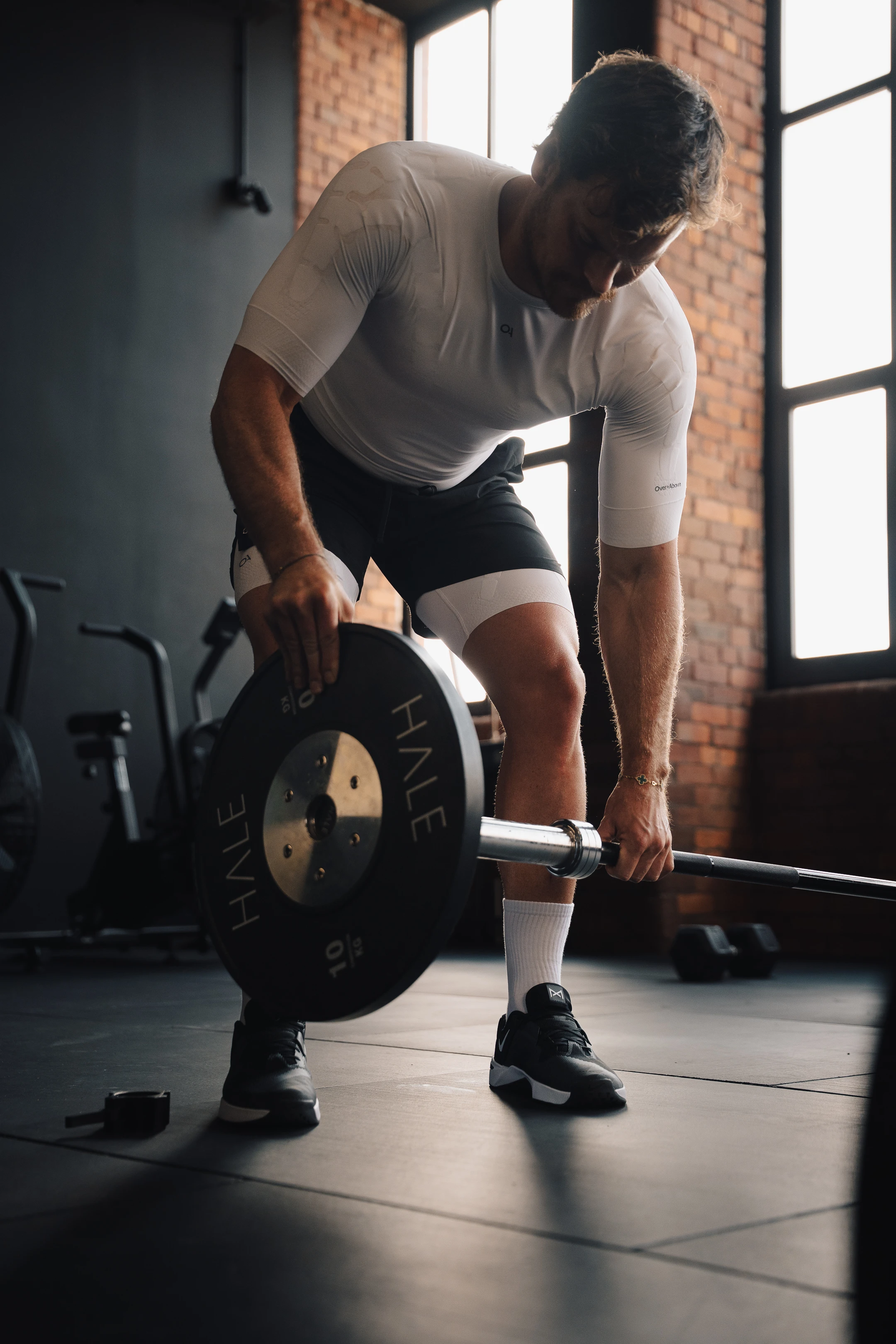
Why Recovery Wear Matters More Than Ever
Modern training demands are higher than ever. Athletes train more frequently, at higher intensities, and often across multiple disciplines. Whether it’s strength training, endurance work, or hybrid programming, recovery windows are shorter.
Poor recovery doesn’t just feel uncomfortable, it leads to:
Persistent muscle soreness
Reduced power output
Slower reaction times
Increased injury risk
Plateaued performance
Recovery wear isn’t a luxury; it’s a tool. And like any tool, its effectiveness depends on its design.
What Regular Activewear Is Actually Designed For
Regular activewear includes standard leggings, shorts, t-shirts, joggers, and hoodies. These garments are designed primarily for during-workout comfort and casual wear.
Their main functions include:
Moisture management
Temperature regulation
Comfort during movement
Style and versatility
What they do not prioritize is post-exercise muscle support. Most regular activewear:
Fits loosely or inconsistently
Applies no meaningful compression
Offers no targeted muscle stabilization
Has no recovery-specific intent
For light activity or rest days, this is perfectly fine. But when used as recovery wear after intense training, regular activewear offers minimal physiological benefit.
What Compression Wear Is Designed to Do
Compression wear is built around a different objective: supporting the body’s recovery mechanisms.
High-quality compression garments are designed to:
Apply consistent, graduated pressure
Support venous blood return
Reduce muscle oscillation
Stabilize fatigued tissue
Promote efficient nutrient delivery
Unlike regular activewear, compression garments are engineered based on how muscles behave under load and during recovery.
This makes compression wear a specialized category of muscle recovery clothing, not just tight workout gear.
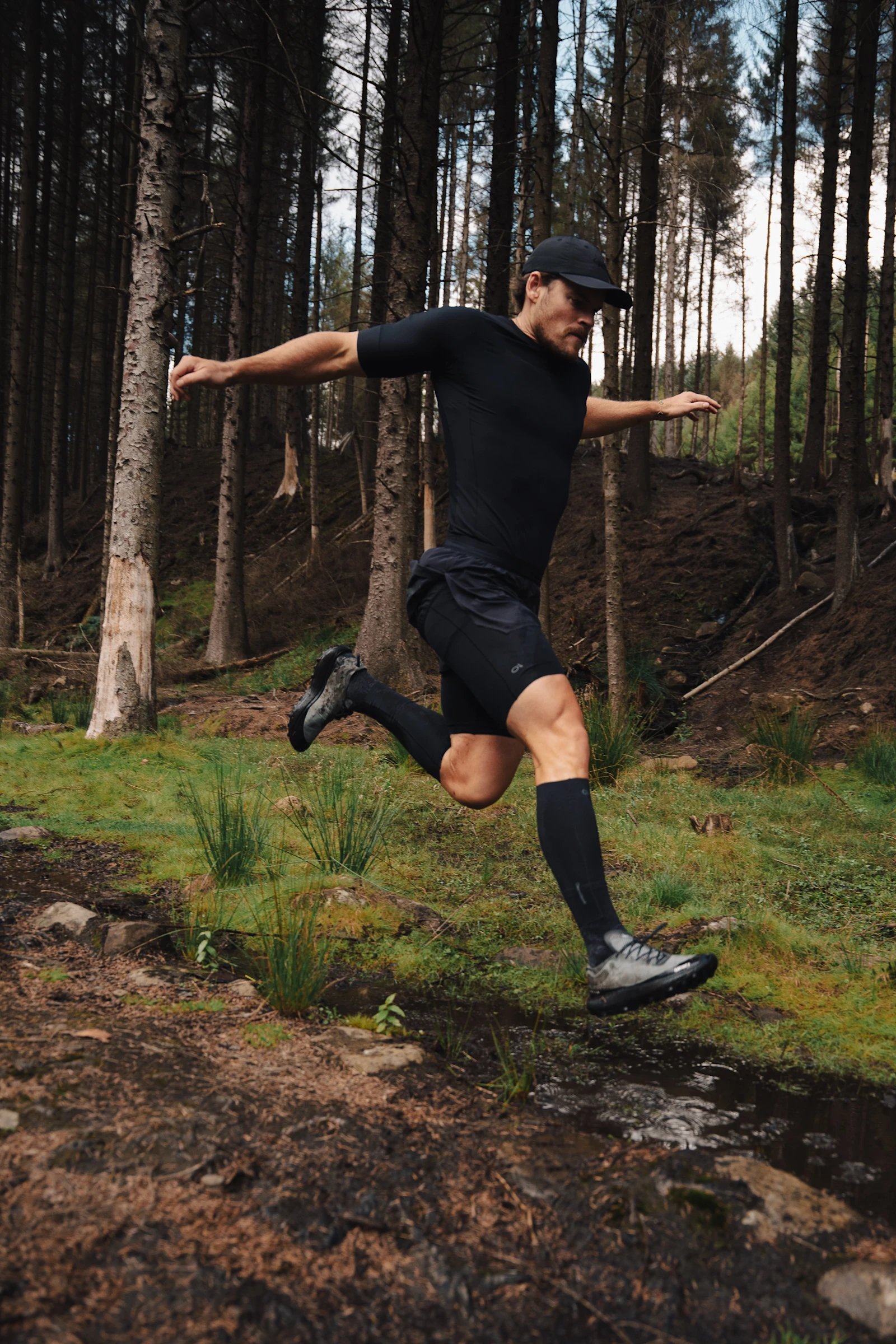
Improved Circulation
After intense exercise, blood pools in fatigued muscles. Compression helps encourage venous return, allowing oxygen-rich blood to circulate more efficiently.
Improved circulation supports:
Faster nutrient delivery
More efficient waste removal
Reduced swelling and inflammation
Regular activewear does not meaningfully affect circulation.
Reduced Muscle Vibration and Microtrauma
Every foot strike, lift, or explosive movement causes muscle fibers to oscillate. Over time, this contributes to micro-damage.
Compression wear helps:
Limit excessive muscle movement
Reduce secondary muscle damage
Support structural alignment post-workout
This stabilization is especially valuable after heavy strength sessions or high-impact endurance work.
Support for the Lymphatic System
Recovery isn’t just about blood flow. The lymphatic system plays a major role in clearing metabolic waste.
Compression garments provide gentle external pressure that:
Supports lymphatic drainage
Reduces fluid buildup
Helps manage post-training stiffness
This is one reason compression is widely used in medical and athletic recovery contexts.
Compression Wear vs Activewear: A Direct Comparison for Recovery
Muscle Soreness (DOMS)
Delayed onset muscle soreness is a limiting factor for training frequency.
Regular activewear: No meaningful impact on soreness duration or intensity.
Compression wear: Helps reduce perceived soreness and speeds readiness for subsequent sessions.
Athletes training multiple days per week feel this difference most clearly.
Training Consistency
Recovery determines how often you can train productively.
Standard activewear supports comfort, not readiness.
Compression wear supports faster recovery cycles, allowing athletes to maintain volume and intensity.
Over weeks and months, this compounds into better results.
Post-Workout vs All-Day Wear
Recovery doesn’t end when the workout does.
Regular activewear is often changed immediately after training.
Compression wear is designed to be worn post-workout, during travel, at work, or even while resting.
Extended wear time increases recovery exposure.
Athlete-Specific Use Cases
Strength Athletes
Heavy lifting creates significant muscle tension and micro-damage.
Compression wear supports:
Reduced lower-body stiffness
Faster recovery between sessions
Improved readiness for heavy compound lifts
Endurance Athletes
Running, cycling, and long conditioning sessions stress circulation and soft tissue.
Compression wear helps:
Manage leg fatigue
Reduce swelling
Improve recovery during back-to-back training days
Hybrid and Functional Athletes
High-volume, mixed-modality training places extreme recovery demands on the body.
Compression wear becomes essential for:
Managing cumulative fatigue
Supporting joint and muscle integrity
Maintaining consistency across varied training styles

Comfort Is Not the Enemy of Performance
A common misconception is that compression wear is uncomfortable. Poorly designed compression can be restrictive—but premium recovery wear has evolved.
Modern compression garments balance:
Elasticity and structure
Breathability and support
Comfort and performance
The goal is wearability without compromise, allowing athletes to recover without feeling constrained.
Why Not All Compression Wear Is Equal
Not every tight garment qualifies as effective recovery wear.
True performance-grade compression focuses on:
Strategic pressure zones
Anatomically informed design
Durable fabrics that retain compression over time
Seam placement that avoids irritation
This is where many generic compression products fall short—and where intelligent design matters.

Where O+A Stands Apart
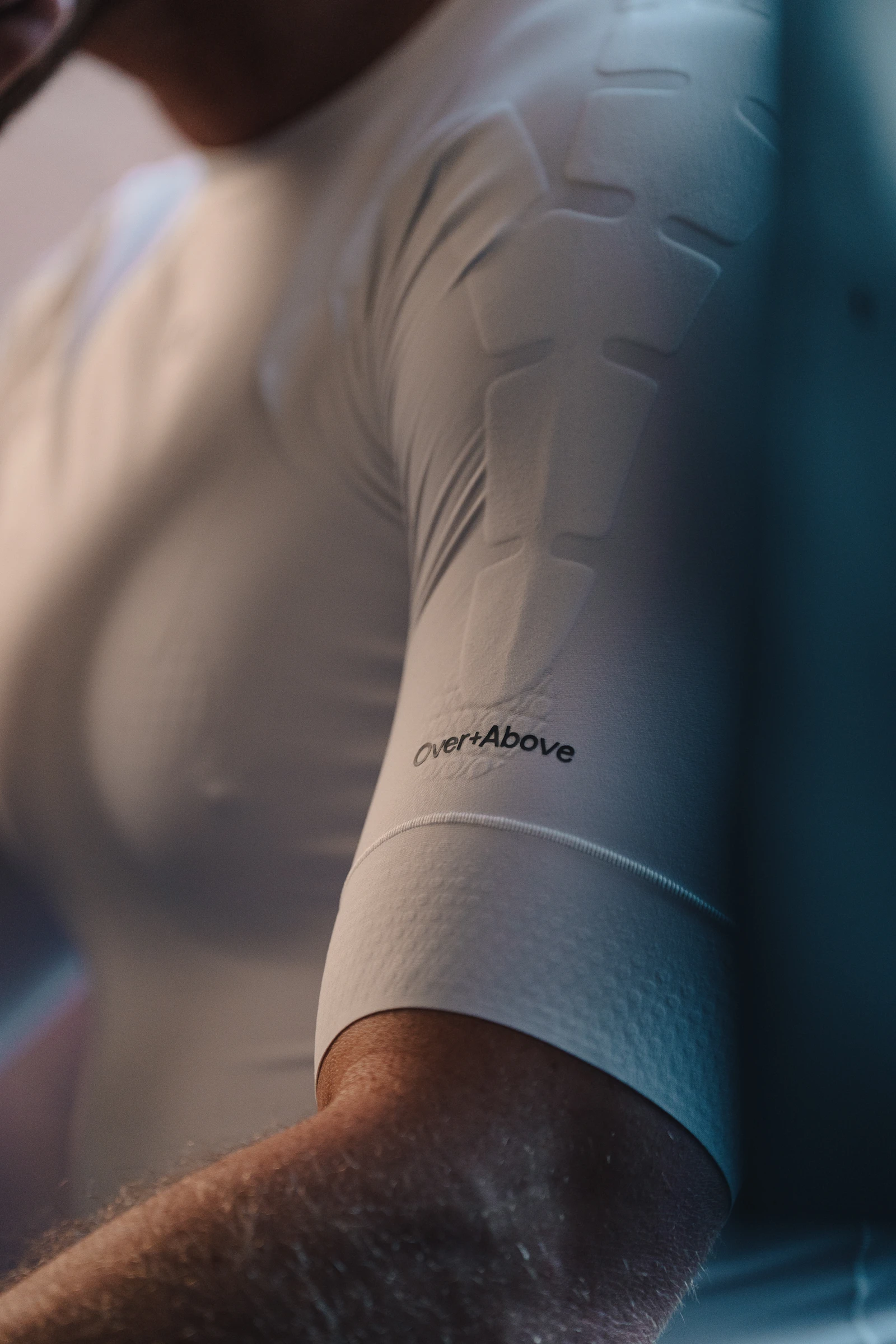
O+A approaches recovery wear from a performance-first mindset. Instead of treating compression as an afterthought, it’s integrated intentionally into every design decision.
O+A focuses on:
Athlete-tested compression profiles
Recovery-specific functionality
Versatility for training, recovery, and daily wear
Long-term durability under real athletic use
Rather than choosing between comfort and performance, O+A is built for athletes who demand both.
Common Myths About Compression and Recovery
“Compression is only for elite athletes”
False. Anyone training consistently benefits from better recovery.
“Regular activewear is good enough”
For comfort, yes. For recovery, no.
“Compression doesn’t make a real difference”
Small recovery advantages compound significantly over time.
How to Choose the Best Recovery Wear
When evaluating muscle recovery clothing, consider:
Fit: snug but not restrictive
Fabric quality: breathable, durable, moisture-managing
Compression placement: targeted, not uniform
Intended use: recovery, travel, rest, or all-day wear
Performance athletes choose gear intentionally. Recovery wear should be no different.
Final Verdict: Compression vs Regular Activewear
If your priority is casual comfort or light activity, regular activewear is sufficient.
If your priority is:
Faster muscle recovery
Reduced soreness
Greater training consistency
Long-term performance improvement
Then compression wear is clearly the superior option.
For athletes who treat recovery as part of training—not an afterthought—compression-based recovery wear is the smarter choice.
Shop Compression Gear
More articles...
 5 Signs You Need Compression Clothing in Your Gym RoutineScience
5 Signs You Need Compression Clothing in Your Gym Routine
19.12.2025
 The Complete Guide to Compression Sportswear for Everyday TrainingScience
The Complete Guide to Compression Sportswear for Everyday Training
05.12.2025
 The Best Compression Gear for Preventing Injuries at the GymScience
The Best Compression Gear for Preventing Injuries at the Gym
28.11.2025
