The Complete Guide to Compression Sportswear for Everyday Training
05.12.2025
Science

Compression sportswear has moved far beyond elite athletics. Today, it’s a staple for lifters, runners, group-fitness athletes, and anyone who trains consistently. Whether you’re looking to improve performance, reduce post-workout soreness, or simply feel more supported in the gym, understanding how compression actually works can help you choose the right pieces for your routine.
This guide breaks down the science, benefits, and practical use cases of compressive sportswear across strength training, cardio, and recovery, so you can apply the information to whichever gear you decide to use.
What Compression Sportswear Actually Does
At its core, compression clothing applies controlled pressure to muscles, fascia, and joints. This pressure influences your training in three key ways:
Improved circulation: Graduated compression can enhance venous return, helping blood flow back to the heart more efficiently during and after exercise.
Muscle stabilization: The slight tension around limbs and torso reduces muscle oscillation (excess vibration), especially during high-impact or repetitive movements.
Proprioceptive feedback: Compression increases your awareness of body position, allowing for better movement patterns and technique during training.
These mechanisms work together differently depending on the activity, which is why many athletes use compression across multiple parts of their routine.
Compression for Strength Training
Strength training demands stability, alignment, and muscular efficiency—areas where compression garments offer measurable benefits.
1. Enhanced Joint and Muscle Support
During heavy lifts like squats, deadlifts, and presses, compression can help reinforce proper alignment and provide a “held-together” feel. For example:
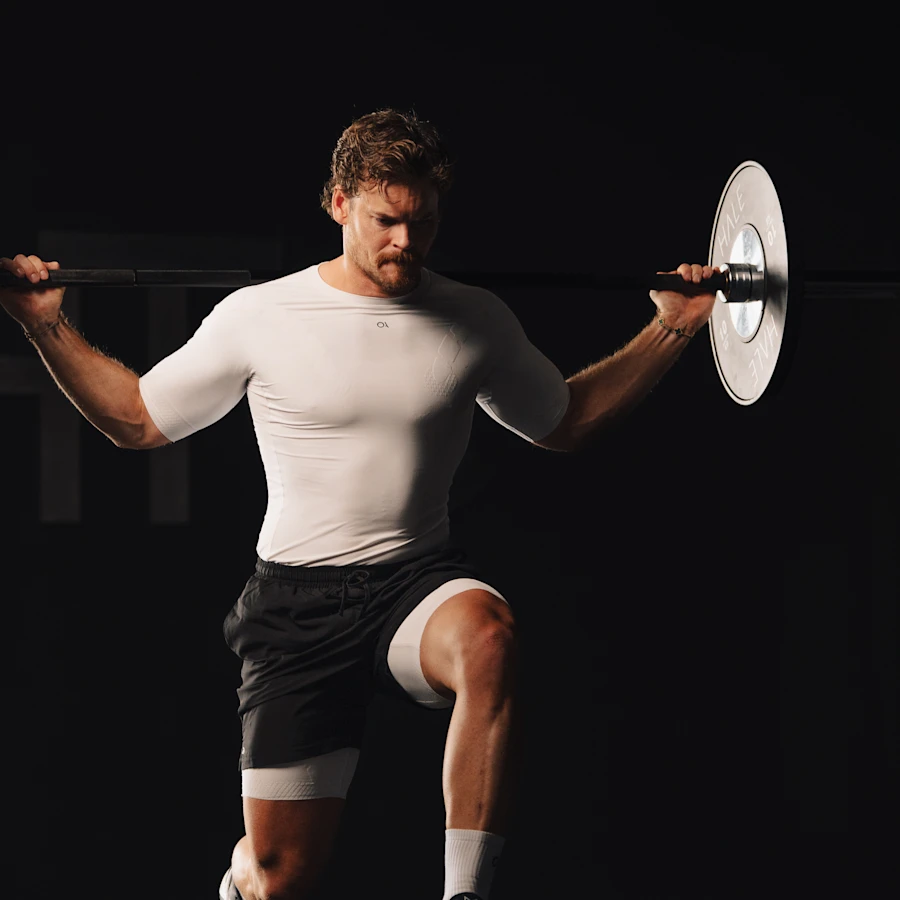
Compression tops stabilise the upper back and shoulders, supporting scapular positioning during pressing and pulling.
Compression leggings support the hips, quads, and hamstrings, helping reduce small imbalances that can accumulate over sets.
This doesn’t make compression gear a replacement for proper technique, but it can complement it by making your body more aware of its positioning.
2. Reduced Muscle Oscillation Under Load
When you lift, your muscles vibrate with each rep. Excessive oscillation contributes to fatigue, micro-trauma, and inefficient force transfer. Compression reduces this movement, which can help:
Maintain power output during multi-set training
Delay fatigue during high-volume leg days
Reduce the “wobbly” feeling during dynamic strength work
3. Comfortable Support for Dynamic Lifting
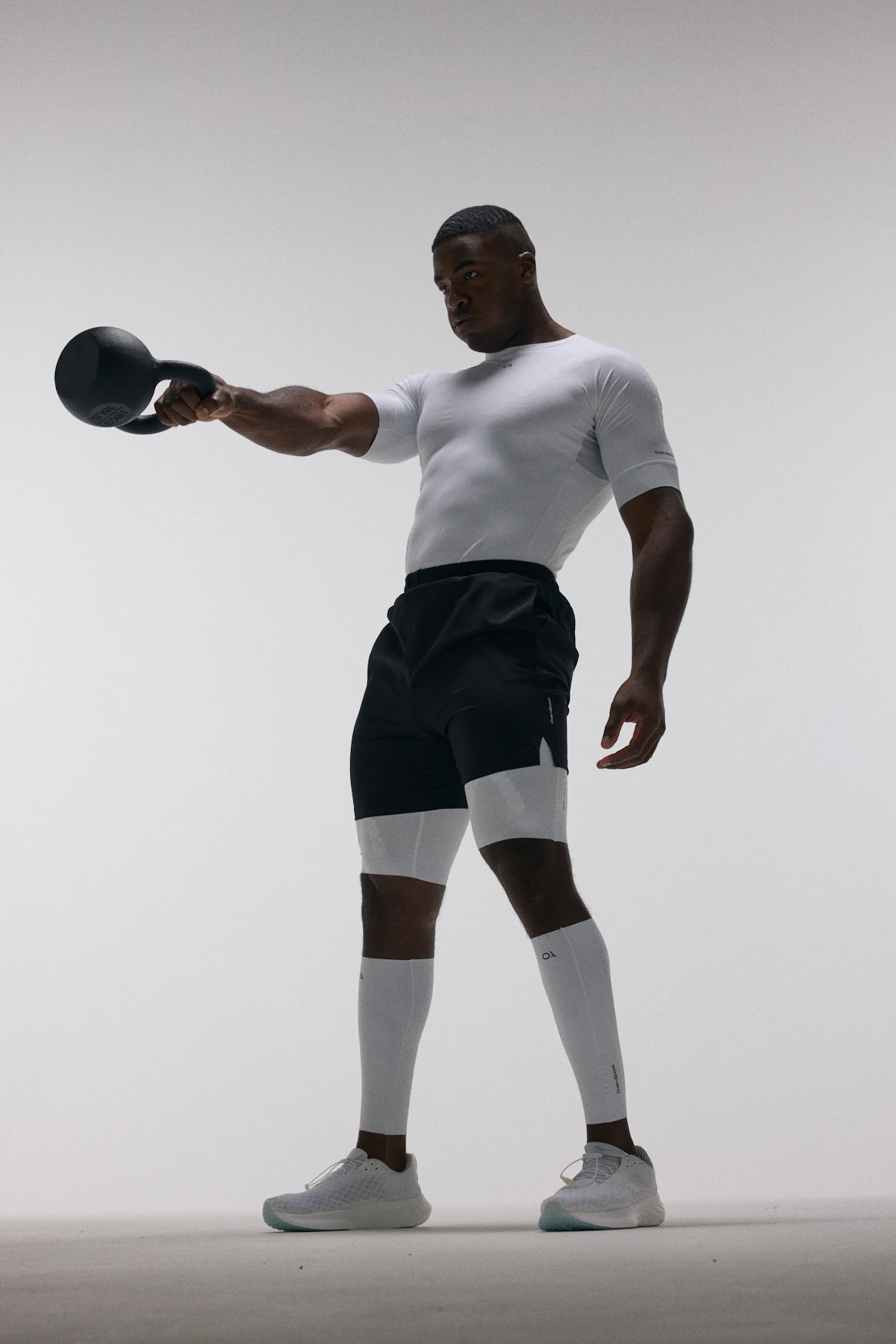
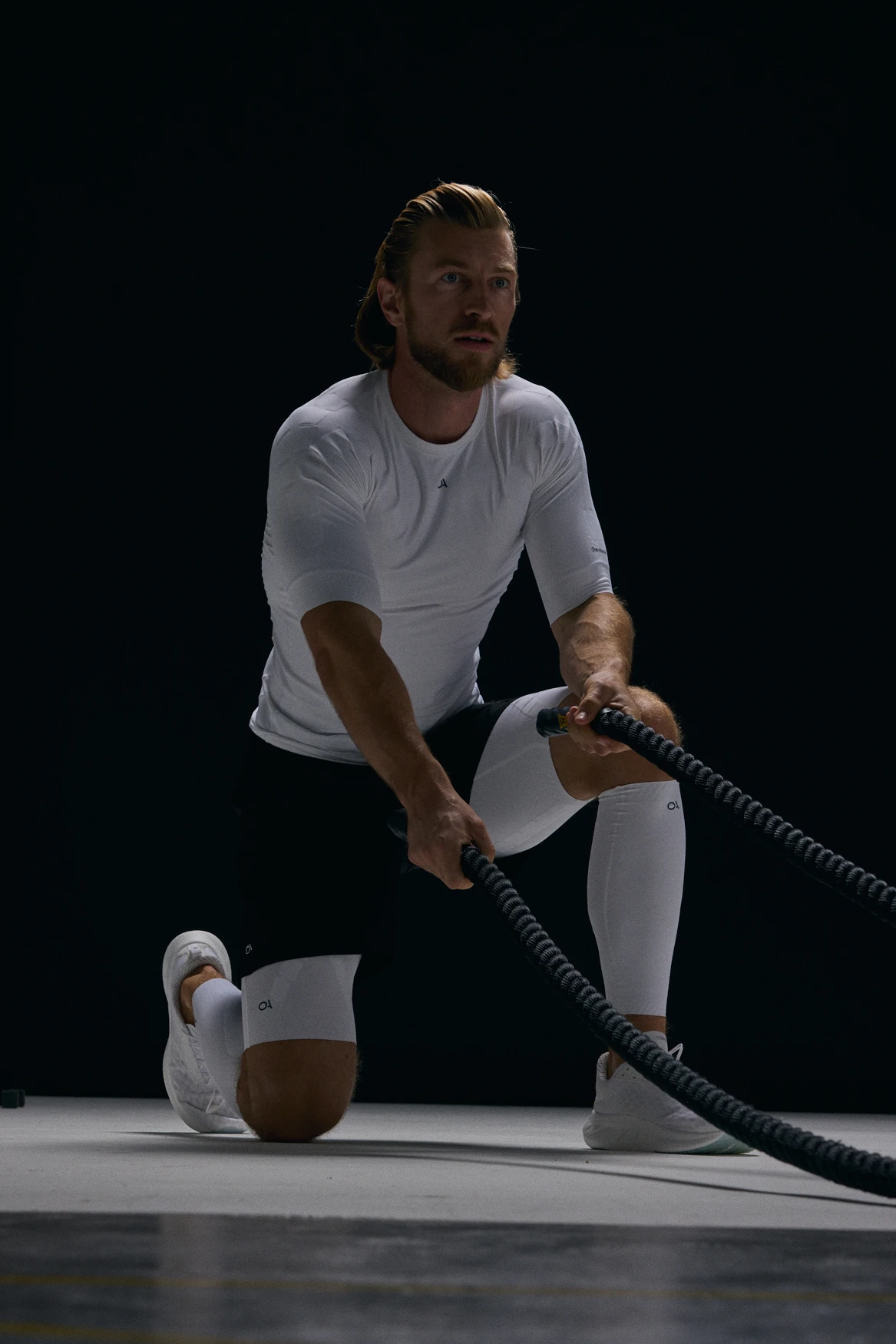
Strength programs often include explosive movements—kettlebell swings, cleans, jump squats, and sled work. Compression helps keep muscles warm and responsive, giving you a secure feel during both heavy and fast lifts.
Compression for Cardio & Conditioning
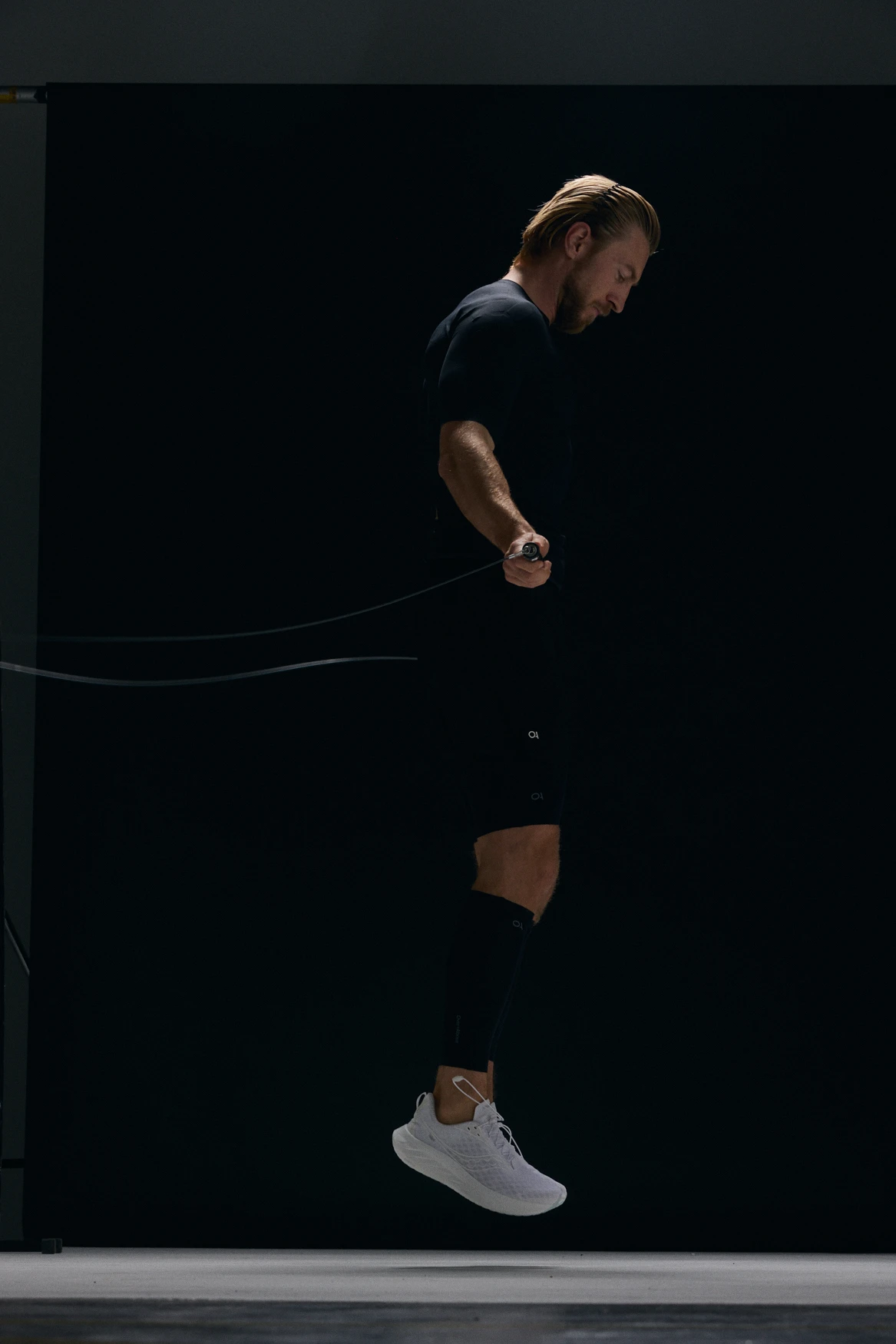
From steady-state runs to high-intensity intervals, cardio training stresses the circulatory system and the muscles differently than strength work. Compression can help you get more out of each session.
1. Better Blood Flow for High-Output Sessions
During cardio, your heart rate climbs and blood moves rapidly to working muscles. Compression’s circulatory support can:
Improve oxygen delivery
Reduce “burnout” sensations in legs and arms
Help maintain consistent pace during treadmill or outdoor runs
Support quicker recovery between intervals in HIIT workouts
While not all studies agree on performance improvements, many athletes report feeling more efficient and stable during movement.
2. Reduced Impact Stress
Cardio often involves repetitive impact, especially running, plyometrics, and circuit training. Compression leggings, socks, and tops help:
Limit soft-tissue vibration
Support joints against repetitive forces
Keep muscles warm, reducing strain risk
For HIIT specifically, compression clothing can provide both stability and comfort during rapid transitions.
3. Comfortable Moisture Management
High-quality compression fabrics wick sweat effectively and stay in place during fast movement. This can be particularly beneficial in:
Group fitness classes
Sprints or track sessions
Cardio machines with prolonged contact points (rowers, bikes, ski ergs)
The right fit prevents excess shifting, chafing, or loosening during hard efforts.

Compression for Recovery
Many athletes rely on compression after workouts—not just during them.
1. Relief From Post-Workout Soreness
Compression worn post-training may reduce delayed onset muscle soreness (DOMS) by:
Supporting blood flow during the recovery window
Helping clear metabolic byproducts
Reducing inflammation through gentle pressure
While individual responses vary, wearing compression garments for a few hours post-workout is common practice, especially after intense leg sessions or conditioning days.
2. Faster Tissue Repair
Elevated circulation helps deliver oxygen and nutrients to muscles, supporting the natural repair process. This makes compression helpful during cooldowns, active recovery days, or long sedentary periods after training (e.g., sitting at a desk).
3. Ideal for Travel or Long Work Shifts
Athletes who travel frequently or stand for long hours often wear compression leggings or socks to reduce swelling and keep legs feeling fresh for their next session.
Types of Compression Gear & When to Use Each
Choosing the right pieces depends on your training style. Here’s a breakdown:
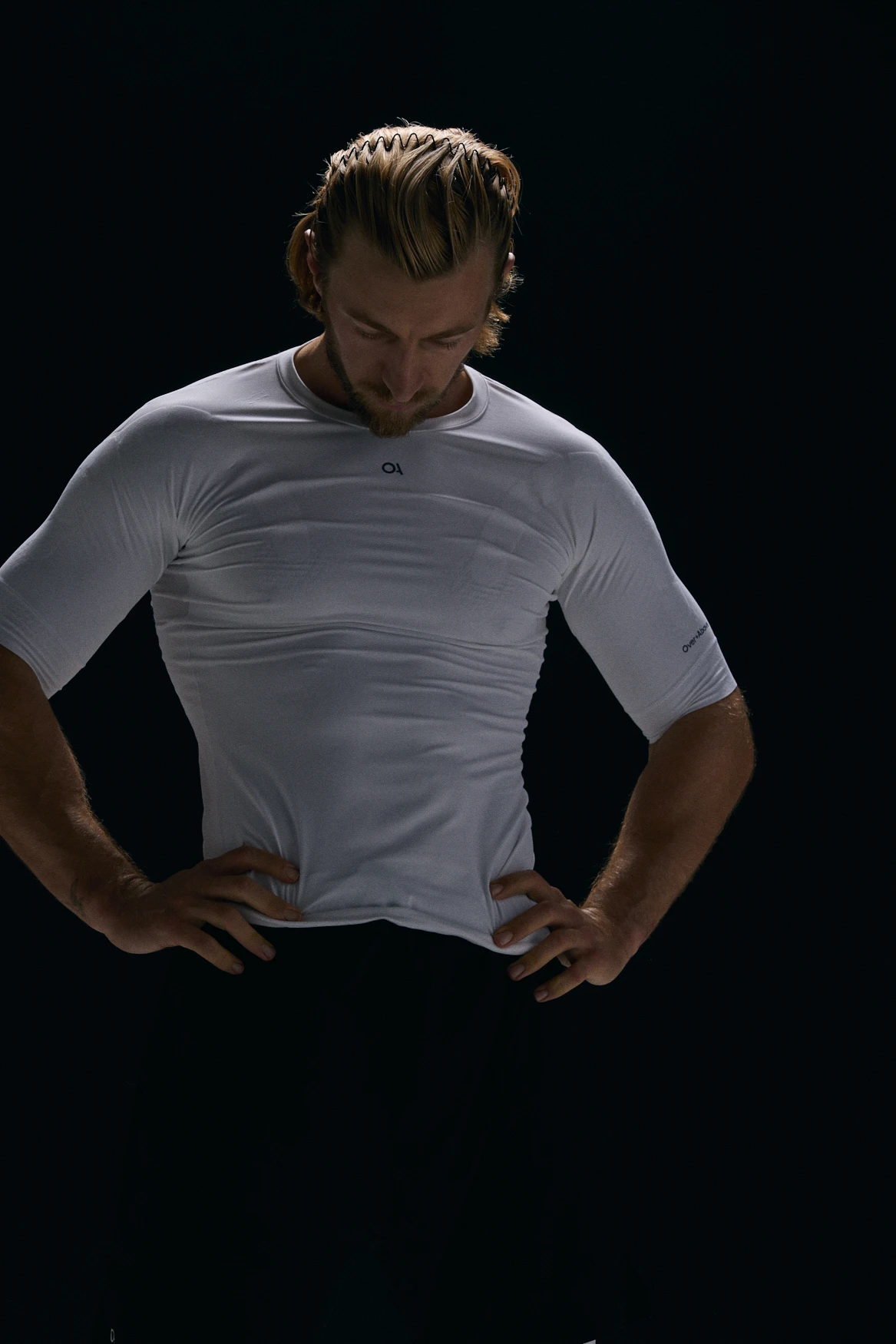
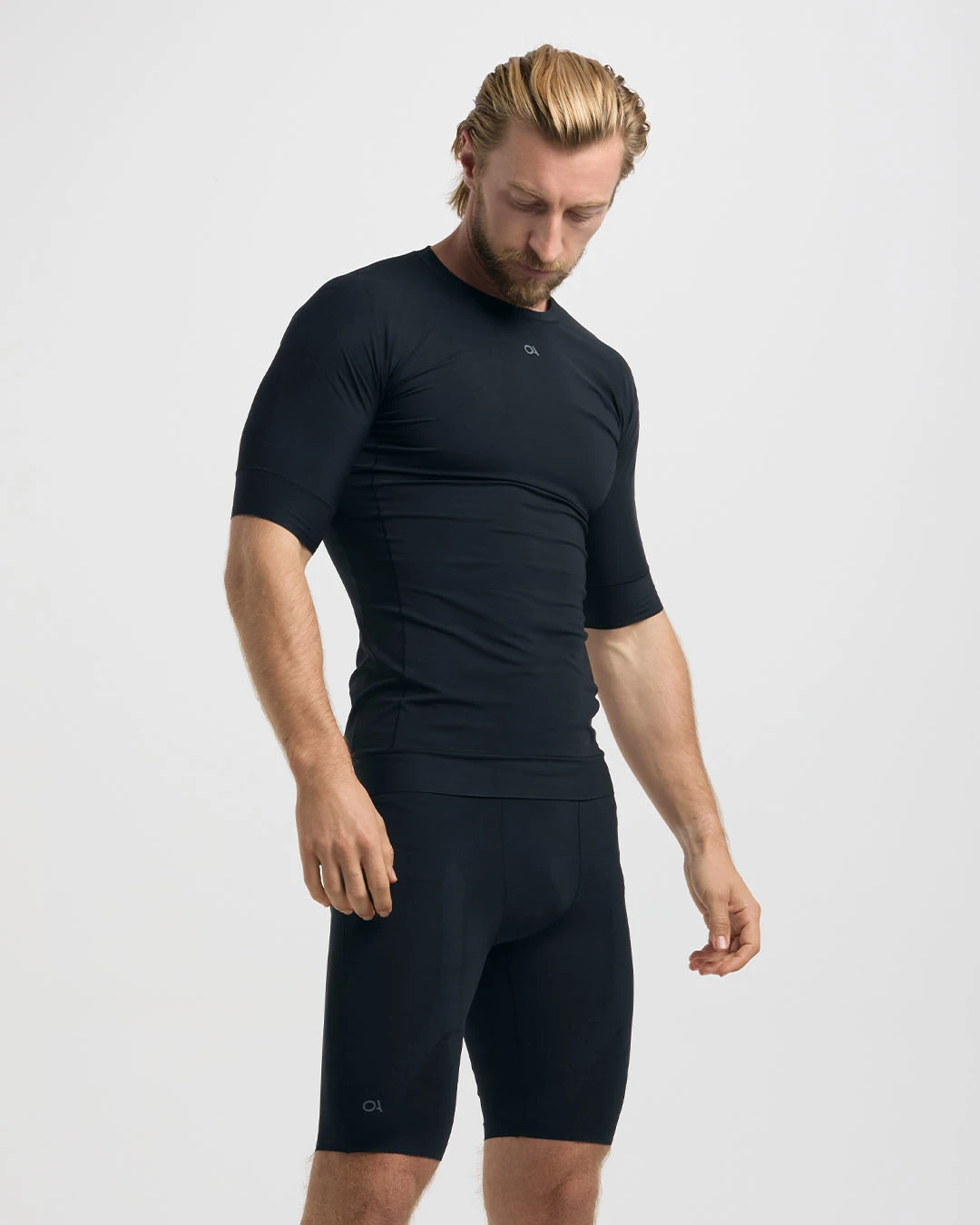
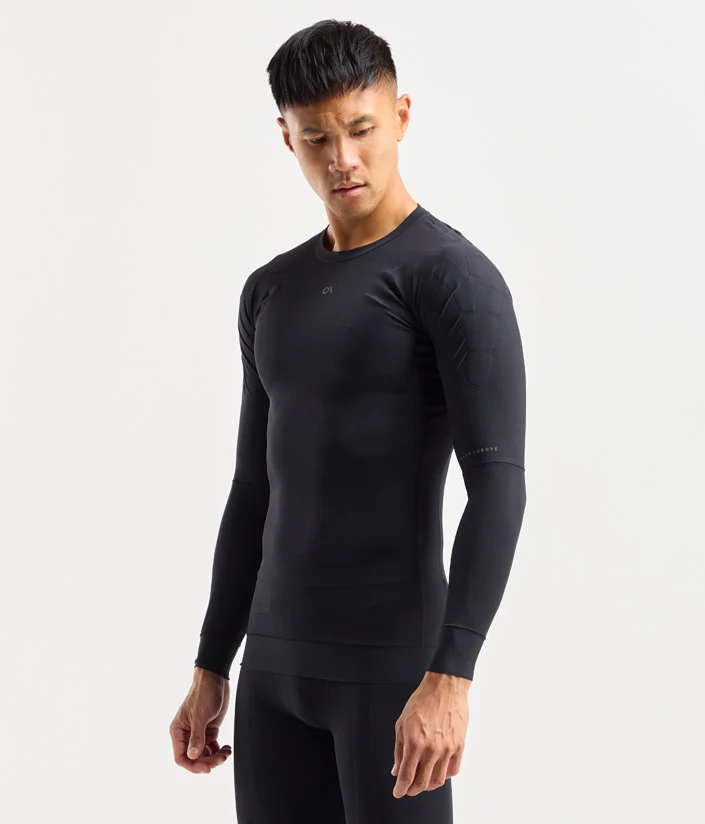
1. Compression Tops
Best for:
Weightlifting
HIIT
Functional fitness
Rowing and upper-body conditioning
Benefits:
Shoulder and upper back stability
Better posture during lifts
Reduced chafing
Locked-in feel during fast movement
2. Compression Leggings
Best for:
Leg days
Running
Plyometric workouts
Long cardio sessions
Benefits:
Hip-to-ankle muscle support
Improved stride efficiency
Reduced fatigue and soreness
Comfortable temperature regulation
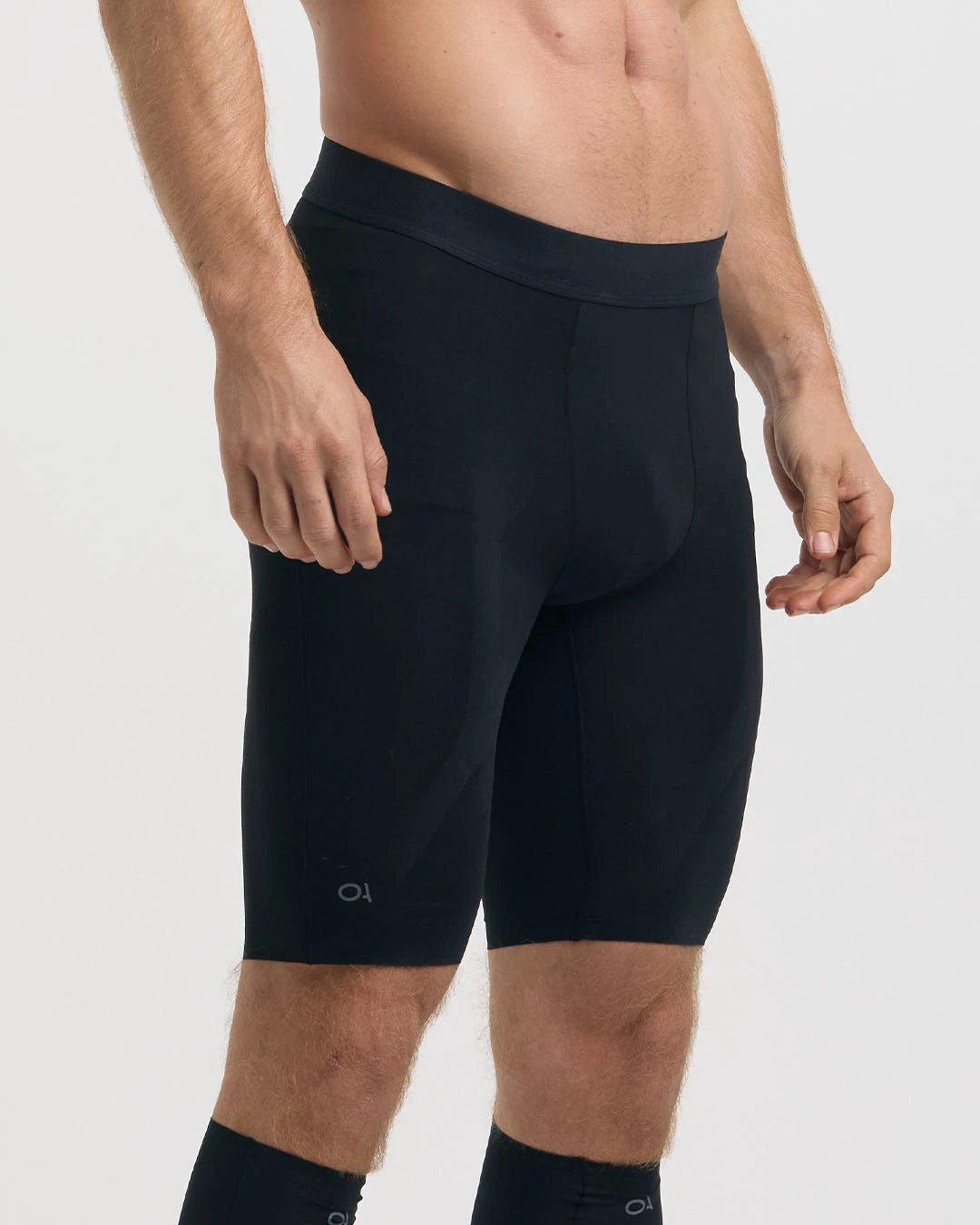
3. Compression Shorts
Best for:
Sprints
Cross-training
High-power lower-body work
Benefits:
Targeted support for glutes and hamstrings
Reduced risk of strains during explosive movements
4. Compression Socks & Calf Sleeves
Best for:
Running
Conditioning circuits
Long recovery periods
Benefits:
Increased calf circulation
Reduced swelling and heavy-leg sensations
Support for Achilles and calf strain prevention

How Tight Should Compression Gear Be?
The fit should be snug but not restrictive. Indicators of proper fit:
Correct Fit
You feel lightly “held together”
Movement feels natural or smoother
No pinching or numbing
Fabric stays in place during exercise
Incorrect Fit
Excessive pressure or discomfort
Red marks that indicate circulation issues
Fabric rolling or sagging
Difficulty breathing in tops or bending in leggings
Always prioritise comfort and mobility, good compression supports movement rather than limiting it.
How to Choose the Right Compression for Everyday Training
When selecting compression gear, consider:
1. Activity Type
Strength work may require more structural support, while cardio benefits from lightweight, breathable fabrics.
2. Fabric Quality
Look for blends with strong stretch recovery and moisture-wicking capabilities. Durable synthetics generally perform best.
3. Seam Construction
Flat, minimal seams help reduce irritation during repetitive or high-intensity movement.
4. Breathability vs. Coverage
Heavier fabrics are ideal for strength days; lighter fabrics suit high-sweat HIIT and cardio sessions.
5. Neutral, Versatile Design
If you're building a long-term training wardrobe, neutral designs integrate well with multiple outfits and training styles.
Using Compression Gear Across Your Week
Here’s a simple way to incorporate compression into a balanced training routine:
Strength Days: Compression top + leggings/shorts for alignment and stability
Cardio/HIIT: Lightweight compression layers for reduced impact and improved energy return
Recovery Days: Compression leggings or socks to reduce stiffness
Travel/Work: Light compression for circulation support
This flexible approach prevents overuse while giving your muscles the boost they need when it matters most.
Final Thoughts
Compression sportswear is not a magic solution, but it is a highly effective training tool. It supports technique, enhances comfort, and improves recovery—three pillars of consistent fitness progress. Whether you’re lifting heavy, pushing through intervals, or unwinding on recovery days, the right compression gear can make training more efficient and enjoyable.
And because the benefits are rooted in how the body responds to pressure, the data stays relevant across training levels, ages, and environments—making compression one of the most versatile additions to your athletic wardrobe.
Shop Compression Gear
More articles...
 5 Signs You Need Compression Clothing in Your Gym RoutineScience
5 Signs You Need Compression Clothing in Your Gym Routine
19.12.2025
 Compression vs. Regular Activewear: What’s Better for Recovery?Science
Compression vs. Regular Activewear: What’s Better for Recovery?
12.12.2025
 The Best Compression Gear for Preventing Injuries at the GymScience
The Best Compression Gear for Preventing Injuries at the Gym
28.11.2025
